


Pregnancy comes with excitement, anticipation, and plenty of questions. One concern many expectant mothers have is: does tight clothing affect the baby? Whether it’s a favourite pair of leggings, a fitted dress, or snug maternity wear, it’s natural to wonder if what you wear could influence your baby’s health and development.
As a lifestyle and wellness expert, I often speak with women who want to balance comfort, style, and safety during pregnancy. The reassuring news is that most everyday clothing does not directly harm an unborn baby. Still, there are important facts every mother should know about how tight clothing may affect comfort, circulation, and overall well-being.
Let’s examine what matters most by separating fact from fantasy.
Understanding How Your Baby Is Protected
Before answering the question, does tight clothing affect the baby, it’s important to understand how the baby is protected inside the womb.
Your baby develops inside the uterus and is surrounded by amniotic fluid. This fluid acts as a cushion, helping absorb minor pressure and everyday movements. The uterus, abdominal muscles, and surrounding tissues create additional layers of protection.
Because of this natural protection system, normal fitted clothing rarely places direct pressure on the baby. What matters most is how clothing affects the mother’s body and comfort.
Fact #1: A baby is typically not directly harmed by tight clothing.
One of the biggest myths surrounding pregnancy is that slightly fitted clothing can injure the unborn baby.
For healthy pregnancies, clothing that feels snug but comfortable generally poses no direct risk. Medical professionals often explain that when people ask does tight clothing affect the baby, the answer is usually no when discussing normal everyday clothing.
The baby remains protected by the uterus and amniotic fluid. However, extremely restrictive garments can create discomfort for the mother, which should not be ignored.
Fact #2: Tight Clothing Can Affect Blood Circulation

Although tight clothing may not directly impact the baby, it can affect blood circulation.
During pregnancy, your body produces more blood to support your growing baby. Tight waistbands, shapewear, or restrictive garments may place unnecessary pressure on blood vessels, particularly in the legs and pelvic area.
Many women experience swollen ankles, tingling sensations, or feelings of heaviness after wearing tight clothing for extended periods.
Maintaining healthy circulation supports a healthy lifestyle during pregnancy and helps you feel more energetic throughout the day.
Why Comfortable Clothing Matters
Comfort isn’t simply about feeling good. It also supports movement, physical activity, and better circulation. Clothing that allows your body to move naturally can make a significant difference during pregnancy.
Fact #3: Wearing Tight Clothes Could Make Heartburn Worse
Pregnant women frequently complain of heartburn.
As the uterus expands, it places increasing pressure on the stomach. Tight clothing around the waist and abdomen can add even more pressure, making acid reflux symptoms worse.
Many women who wonder does tight clothing affect the baby are actually experiencing discomfort caused by tight garments pressing against their digestive system.
Switching to softer and looser clothing often helps reduce heartburn and digestive discomfort, especially during the second and third trimesters.
Fact #4: Restrictive Clothing Can Cause Skin Irritation
Pregnancy hormones can make the skin more sensitive than usual.
Clothing that rubs against the skin may lead to irritation, redness, itching, or heat rash. This is particularly common during warmer months or when synthetic fabrics trap heat and moisture.
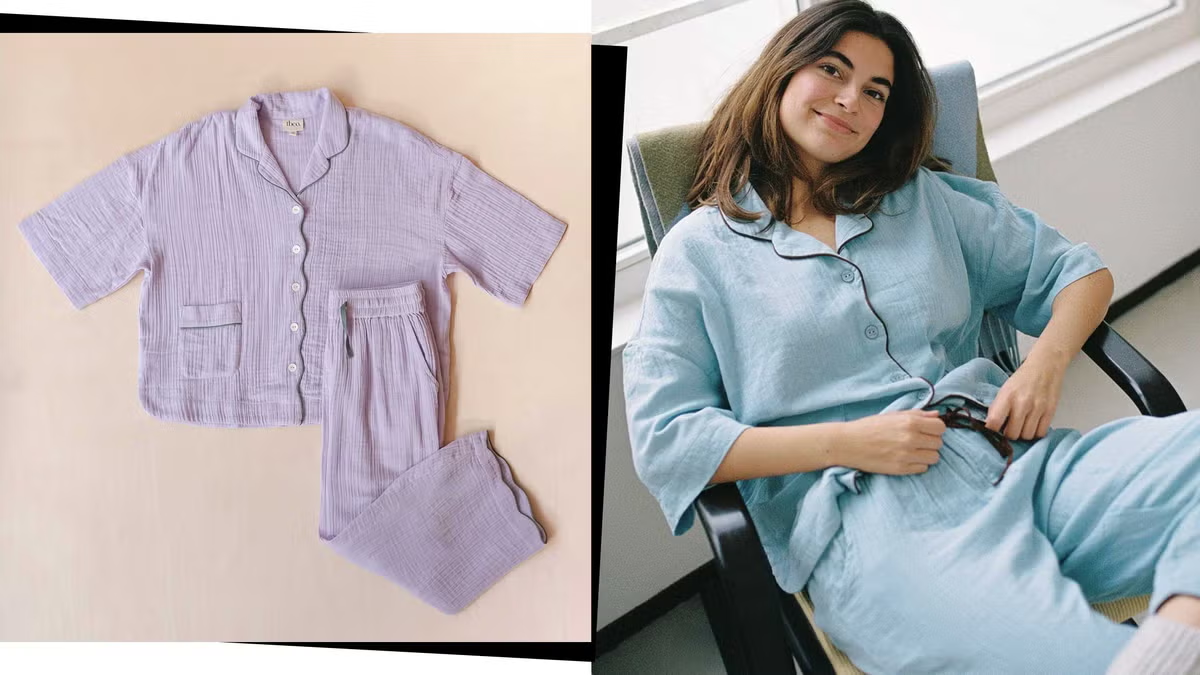
Choosing breathable fabrics such as cotton, bamboo, or jersey materials can improve comfort while reducing skin irritation.
Women following a healthy lifestyle during pregnancy often prioritise comfortable fabrics because they support both physical and emotional well-being.
Fact #5: Tight Clothing May Limit Physical Activity
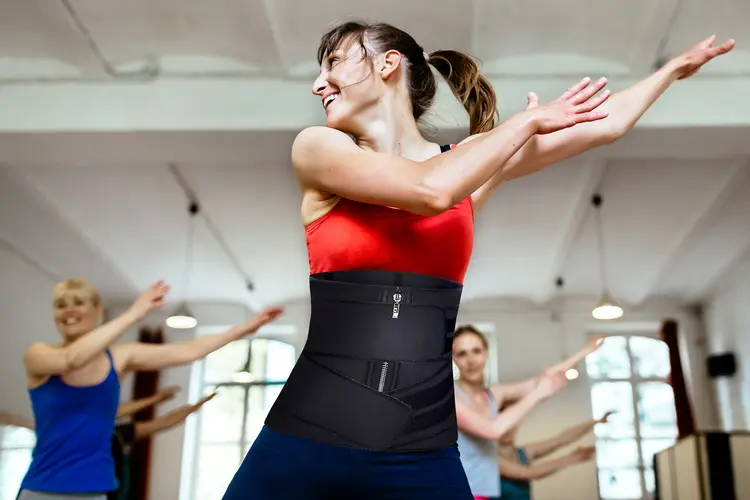
Regular movement is beneficial throughout pregnancy.
Walking, prenatal yoga, and gentle stretching help support circulation, mood, and overall health. Tight clothing can make these activities less enjoyable by restricting movement or causing discomfort.
If you’ve ever wondered does tight clothing affect the baby during exercise, the larger concern is often how it affects the mother’s ability to stay active and comfortable.
Maternity-specific activewear is designed to support your changing body while allowing freedom of movement.
Fact #6: Emotional Comfort Is More Important Than You May Imagine
Pregnancy is not only a physical journey but also an emotional one.
Constant discomfort from restrictive clothing can increase irritation, frustration, and stress levels. While clothing itself does not typically affect the baby directly, ongoing physical discomfort can impact a mother’s daily experience.
Many women feel pressure to continue wearing pre-pregnancy clothing for as long as possible. Yet there comes a point when comfort should take priority.
Feeling relaxed, confident, and comfortable supports a more positive pregnancy experience.
The Psychological Benefits of Dressing Comfortably
Comfortable clothing often improves body confidence and helps women embrace the natural changes occurring during pregnancy.
When clothes fit properly, everyday activities become easier and more enjoyable.
Fact #7: Comfort and Style Come Together in Modest Maternity Clothing
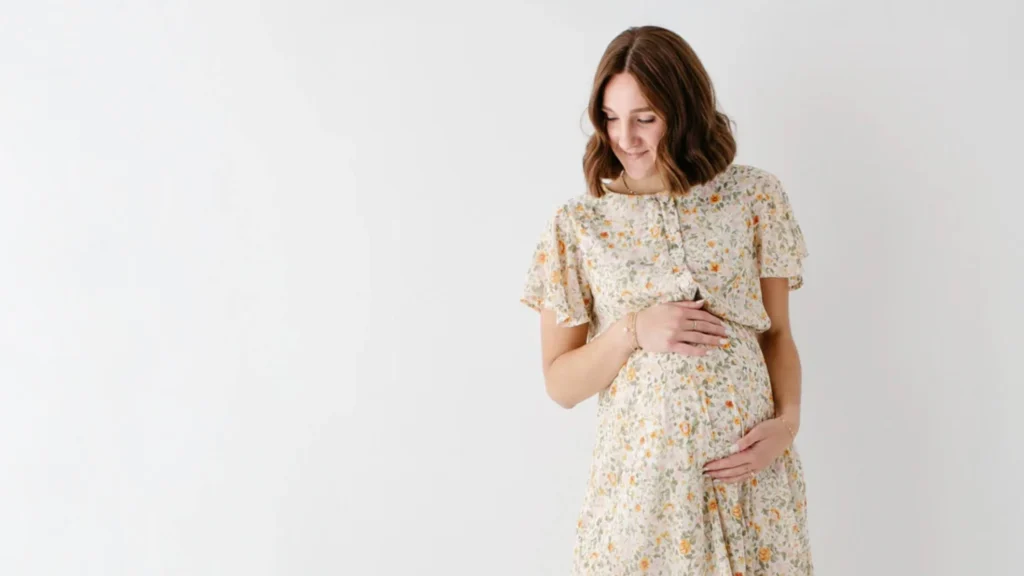
One of the best developments in pregnancy fashion is the growing availability of modest maternity wear.
Modern maternity collections offer stylish yet practical solutions for women who prefer modest fashion. From flowing dresses and long tunics to comfortable trousers and layering pieces, today’s options provide both elegance and comfort.
Why Modest Maternity Wear Is Popular
Many women in the UK appreciate modest maternity wear because it offers:
- Comfortable coverage
- Flexible sizing
- Better breathability
- Easy movement
- Timeless style
These qualities make it easier to maintain confidence while adapting to physical changes throughout pregnancy.
Is the Baby Affected by Tight Clothes at Different Stages of Pregnancy?
Many mothers ask does tight clothing affect the baby differently depending on the stage of pregnancy.
The baby stays small and well-protected during the first trimester. Normal clothing generally presents no concern.
As pregnancy progresses, a growing bump may make certain garments feel increasingly restrictive. This is often when women begin transitioning to maternity clothing for improved comfort.
By the third trimester, comfort becomes especially important. Tight waistbands and restrictive fabrics may contribute to swelling, heartburn, and general discomfort.
Signs Your Clothing May Be Too Tight
Your body often provides clear signals when clothing is becoming too restrictive.
Watch for signs such as persistent abdominal pressure, difficulty breathing comfortably, deep marks on the skin, numbness in the legs, or increased irritation.
If you regularly find yourself asking does tight clothing affect the baby, these warning signs suggest it’s time to consider looser and more supportive options.
Tips for Dressing Comfortably During Pregnancy
Comfortable pregnancy fashion does not require sacrificing personal style.
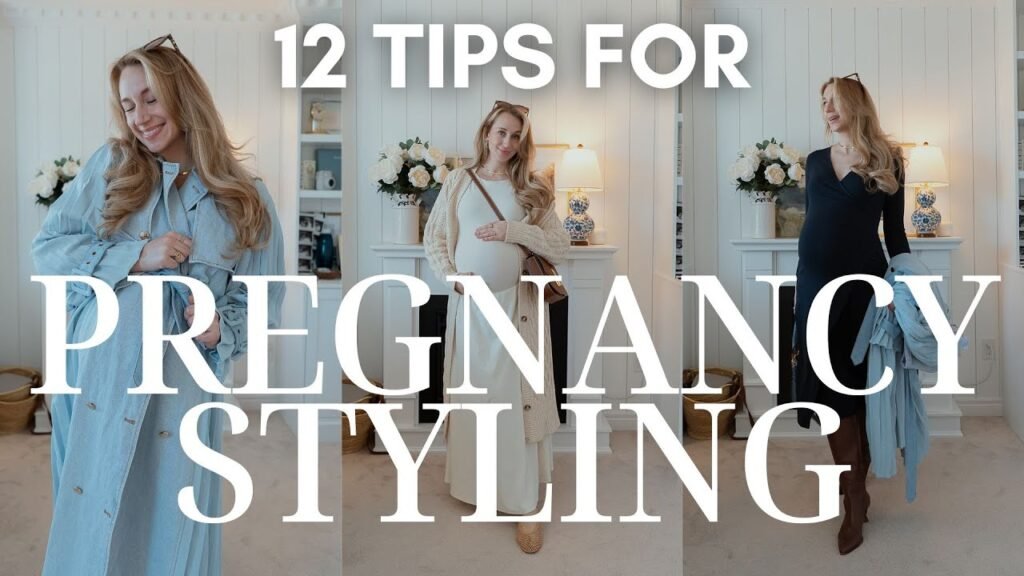
Choose breathable fabrics that regulate temperature and reduce irritation. Look for adjustable waistbands and stretchy materials that accommodate growth. Layering pieces can help you adapt to changing weather conditions throughout the year.
Supportive maternity bras and comfortable footwear also contribute to a healthy lifestyle during pregnancy.
The goal is simple: wear clothing that helps you feel comfortable, confident, and free to move.
The Bottom Line
So, does tight clothing affect the baby?
For most healthy pregnancies, normal fitted clothing does not directly harm an unborn baby. The uterus and amniotic fluid provide excellent protection throughout pregnancy. However, excessively tight clothing can contribute to poor circulation, heartburn, skin irritation, restricted movement, and overall discomfort for the mother.
Choosing breathable fabrics, flexible designs, and modest maternity wear can help support comfort and well-being throughout pregnancy. Listening to your body’s signals is one of the best ways to ensure a positive and healthy pregnancy experience.
FAQ Table
| Question | Answer |
|---|---|
| Does tight clothing affect the baby directly? | In most cases, no. The baby is protected by the uterus and amniotic fluid, although very tight clothing may cause discomfort for the mother. |
| Does tight clothing affect the baby in the third trimester? | The baby remains protected, but restrictive clothing can increase heartburn, swelling, and overall discomfort during late pregnancy. |
| What is the best clothing choice during pregnancy? | Comfortable, breathable, and flexible options such as modest maternity wear support a healthy lifestyle during pregnancy. |